


Lignite
Chemical formula: C180H145O31N5S
Organic content: Drilling lignite consists of high organic materials, among which may be cellulose, hemicellulose, lignin and resin.
Moisture: Drilling lignite produces less energy in the combustion process due to its high moisture content.
Sulfur content: This type of coal may have a significant amount of sulfur, which increases the emission of polluting gases into the air during the combustion process.

Liquid Sodium Silicate ( Water Glass)
Chemical formula: Na2SiO3
Other names: Silicate Glue
- Variable chemical composition: liquid sodium silicate can exist in various compositions with different proportions of sodium and silicate. The ratio of these two substances affects its composition, properties and different applications.
- Pasting properties: liquid sodium silicate is used as an adhesive in the production of cement blocks and building materials due to its pasting properties.
- Anti-differentiation property: liquid sodium silicate is used as an anti-differentiation material in coating metallic and non-metallic surfaces.

Potassium Silicate
Chemical formula: K2SiO3
Melting temperature: about 1000 degrees Celsius
Density: about 2.37 grams per cubic centimeter
Purity percentage: usually above 95% purity.
Acidity or openness: Potassium silicate is alkaline and has less resistance in acidic environments than in open environments.

Silicon Nano Oxide
Chemical formula: SiO2
Other names: silicon nano oxide
Grades: silicon nano oxide
Packaging: ceramic tiles

Sodium Acetate
Chemical formula: CH3COONa
Other names: Sodium acetate
Grades: Sodium Acetate
Packaging: food industry

Sodium Carbonat
Chemical formula: Na2CO3
Strong base: Sodium carbonate is known as a strong base and can react with acids to form known compounds such as sodium hydrogen carbonate (NaHCO₃).
Solubility in water: Sodium carbonate naturally dissolves in water and aqueous solutions are formed from it, which are known as soda.
Thermal decomposition: sodium carbonate undergoes thermal decomposition at high temperatures and decomposes into sodium hydrogen carbonate and sodium oxide.
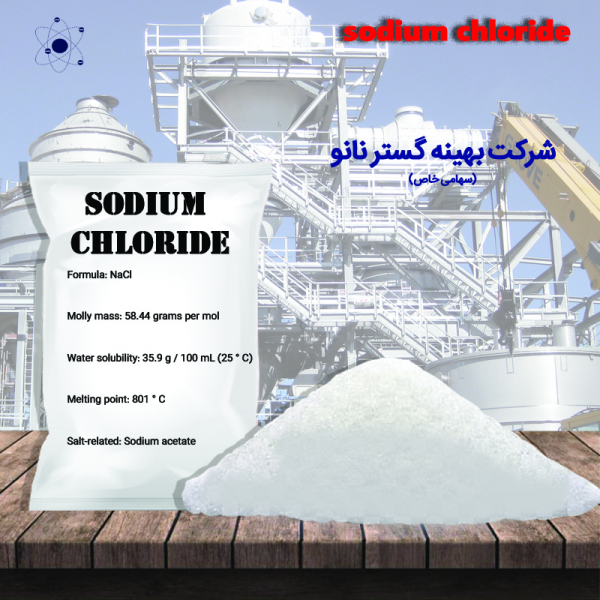
Sodium Chloride
Chemical formula: NaCl
Melting and solubility in water: sodium chloride dissolves completely in water and aqueous solutions are formed from it called salt water. This feature allows sodium chloride to be used as a solvent in various mixtures and solutions.
Thermal stability: sodium chloride has high thermal stability and does not decompose at high temperatures, which makes it a suitable material in thermal processes such as reduction and melting of minerals.
Electrical properties: Sodium chloride is used in the production of electrolytes and electrical media because it contains sodium and chloride ions.

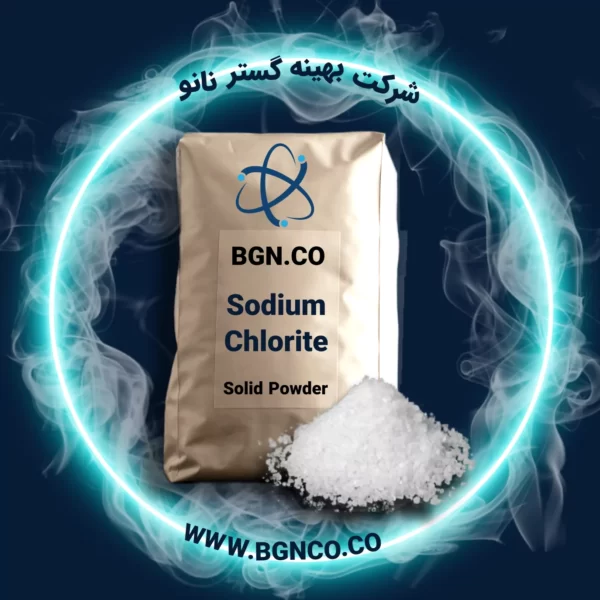
Sodium Chlorite
Chemical formula: NaClO2
Other names: sodium chlorite
Grades: sodium chlorite
Packaging: Rubberizing


Sodium Humate
Chemical formula: C9H8Na2O4
Reactive stability: sodium humate has a reactive stability that is created due to the reaction between humic acid (from organic soil decomposition) and sodium hydroxide.
Complexing property: This compound has complexing property and can form stable complexes with various metal ions.
Increasing solubility: sodium humate can increase the solubility of some insoluble substances in water and help to form solutions that can be used in agriculture, industry and technology.
Sodium Hypochlorite
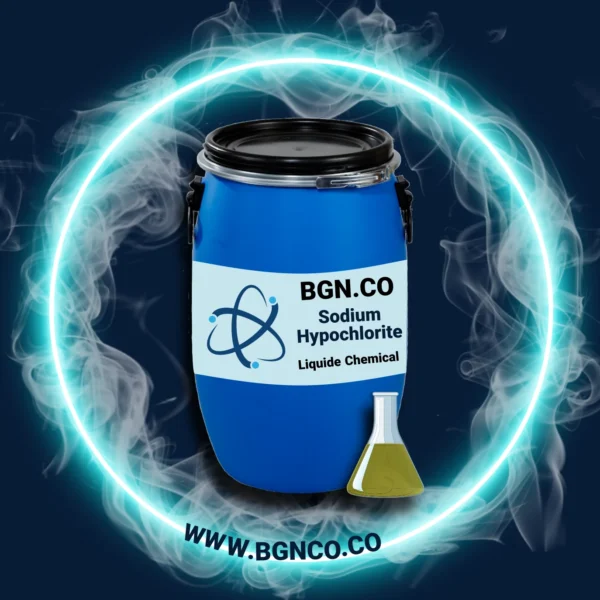
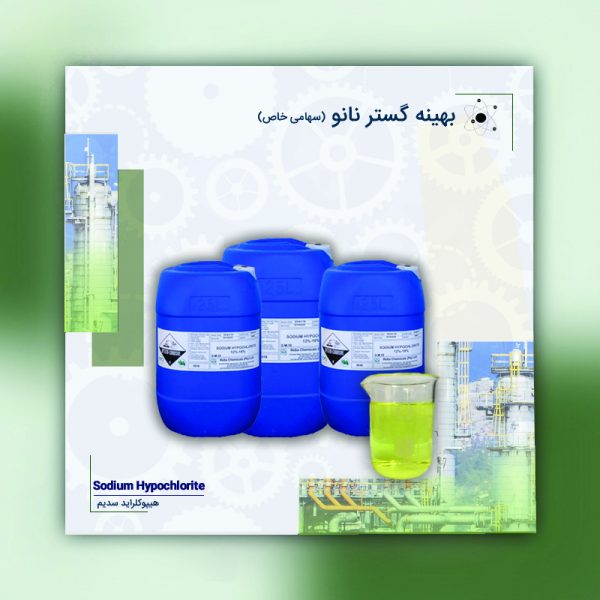
Chemical formula: NaClO
Other names: Chlorine, Javel water
Grades: Hypochlorite
Density: 1.11 g/cm³
Molar mass: 74.44 g/mol
Packaging: Detergent

Sodium Ligno Sulfonate
Chemical formula: C20H24Na2O10S2
Other names: Lignosilicate
Chemical: Sodium lignosulfonates are composed of complex compounds that include phenolic and sulfonate groups. These chemical groups cause the special properties of these materials.
Solubility: Sodium lignosulfonate dissolves in water and can be used as an aqueous solution. This feature makes them easy to use in different products.
Stability: Due to the presence of sulfonate and phenolic groups, these materials have good stability in different conditions and can be used in different processes.

Sodium Metasilicate Nonahydrate
Chemical formula: Na2SiO3·9H2O
Melting point: none (the substance is blue and decomposes at temperatures around 100 degrees Celsius)
Solubility: sodium meta-silicate Nonahydrate is soluble in water, and its aqueous solutions are used as detergents and to prevent rust in some applications.
Base Nature: sodium meta-silicate Nonahydrate has a moderate base nature and works in alkaline environments.